



What Do All Those Extra Symbols on Your Coffee Bag Mean?
Making sense of the certifications we come across every day.
Most bags of specialty coffee have pretty similar information: roaster name, tasting notes, roast level, origin, variety, and processing method. They all say something about the coffee in your bag and why it tastes the way it does. But occasionally you’ll see an official-looking logo or term stuck on there. That information is there to tell you about how the coffee was sourced. So, what does it all mean?
Direct Trade
Unlike Fair Trade, Direct Trade is not a specific certification, but rather a concept roasters apply to their own coffees. Direct Trade implies that a roaster has bought the coffee directly from a producer, as opposed to buying it from an intermediary such as an importer. With the coffee supply chain as complex as it is, specific definitions for Direct Trade can vary from roaster to roaster. So if you see this term on a bag and want to explore further, try visiting that individual roaster’s website for what exactly it means to them.
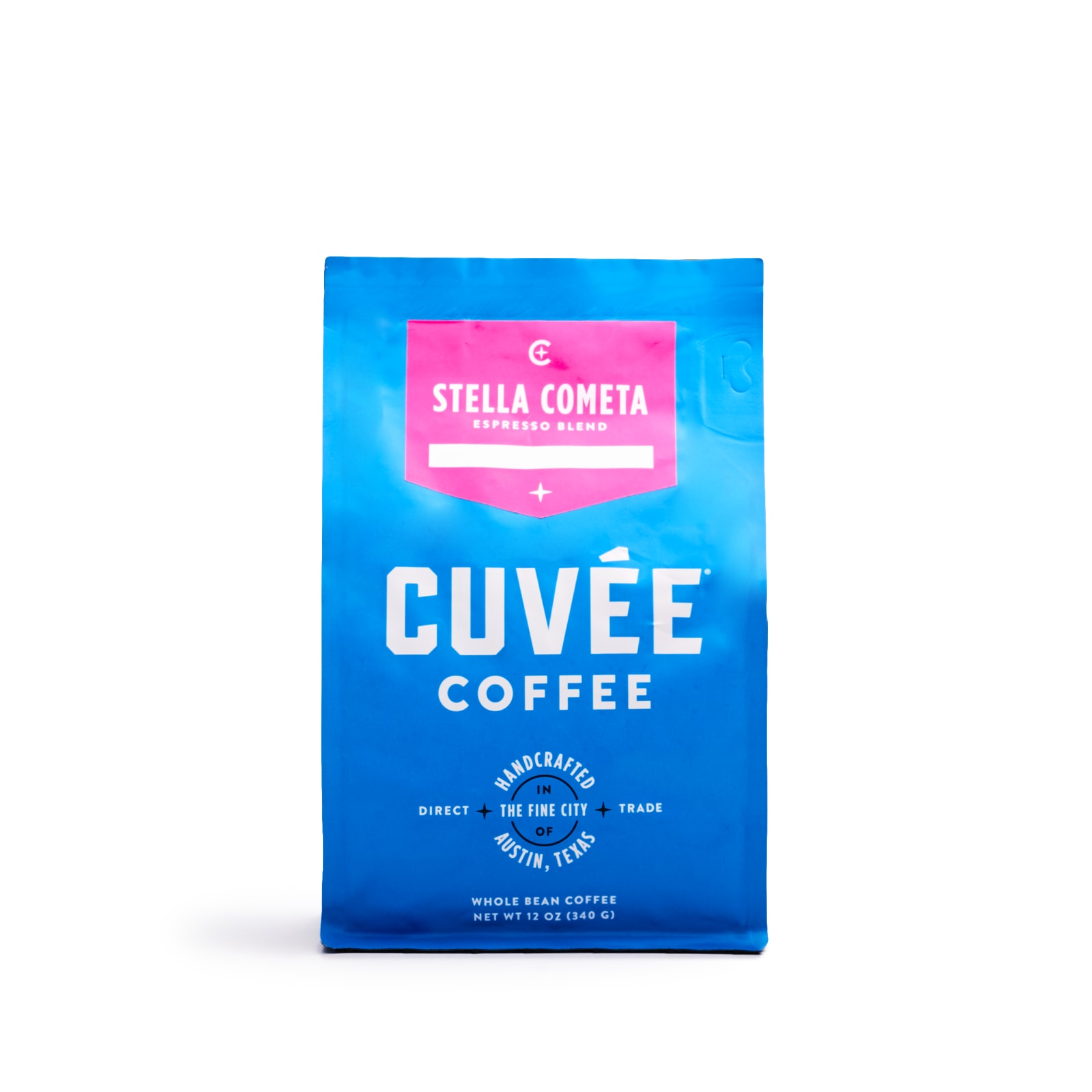
Cuvée Stella Cometa Espresso Blend
Fair Trade

If you see a Fair Trade sticker on a bag of coffee, that coffee has been certified by a company such as Fair Trade USA. Fair Trade coffee means that the supply chain that has produced that coffee has been audited and maintains Fair Trade standards in areas such as worker’s rights and sustainability.
Coffee sold on the Fair Trade market is also guaranteed a premium price above the commodity price of coffee, which is the constantly fluctuating price of coffee as set on a commodity market — if you’ve seen the movie Trading Places it’s that sort of thing. Locally organized Fair Trade Committees then invest that premium into communities.
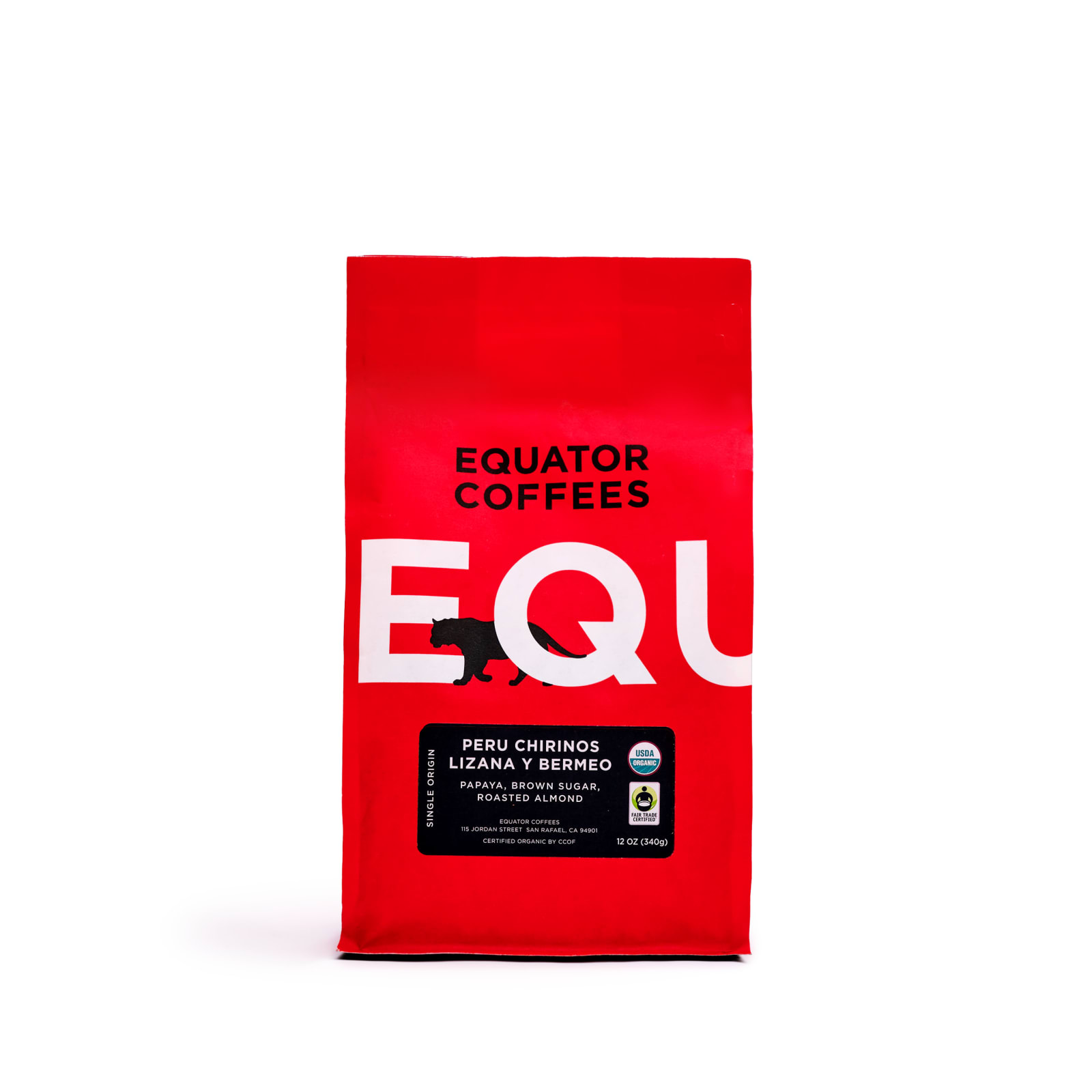
Equator Peru Chirinos Lizana y Bermeo Fair Trade Organic
Organic

Like the fruit and veggies at your local supermarket, organic coffee was grown on a farm that didn’t use chemical fertilizers or pesticides. Because of the many phases that coffee goes through on the journey from a picked cherry to roasted bean, there are quite a few more steps in the chain for coffee to get certified than say a cucumber.
In particular, organic coffee needs to be processed at an organic mill. So many roasting companies have separate machines if they’re roasting both organic and non-certified coffee.
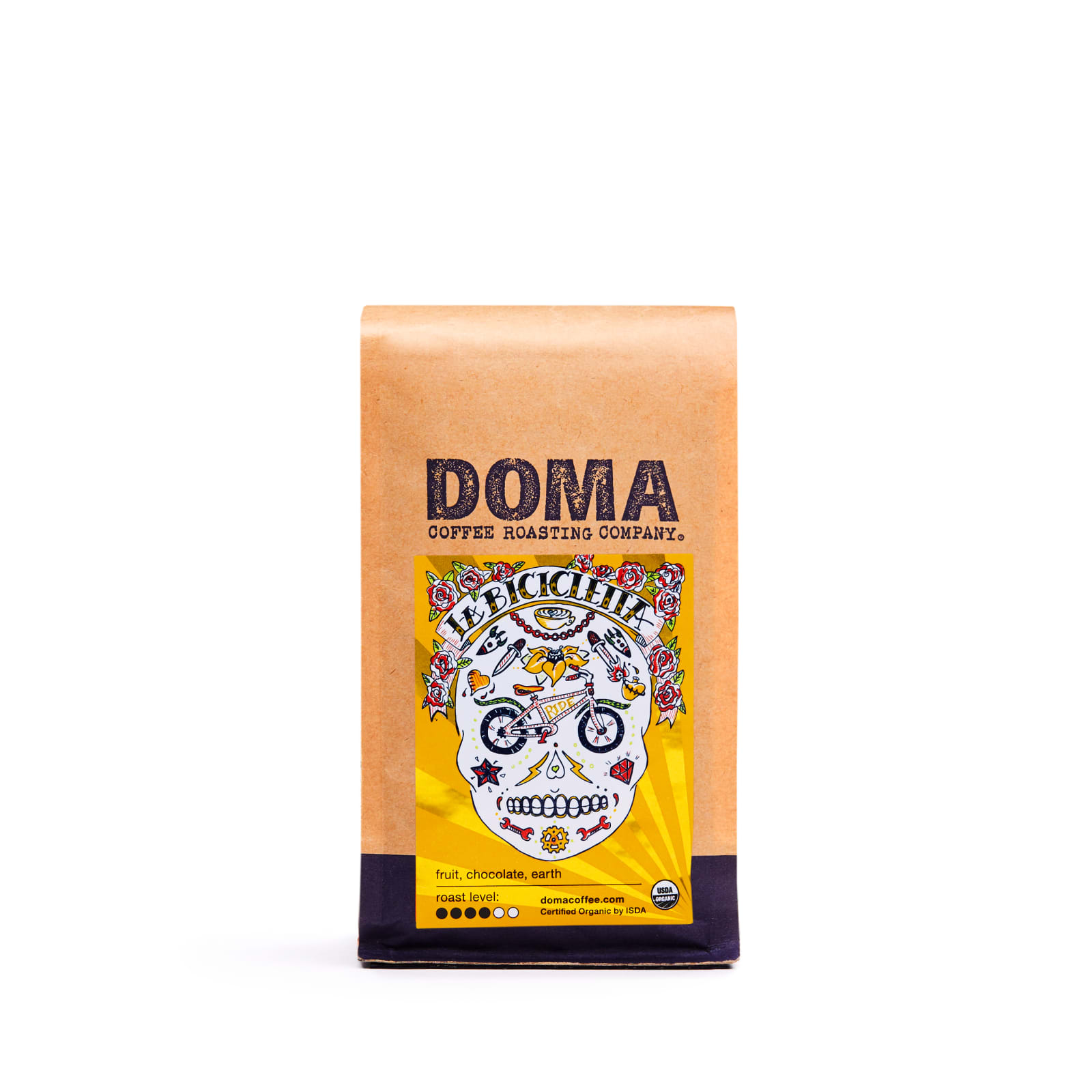
DOMA La Bicicletta Organic Blend
Rainforest Alliance and UTZ

The Rainforest Alliance certifies sustainability practices at the farm level, with an eye on combating the environmental damage caused by deforestation and industrial agriculture.
RFA-certified farms focus on practices such as soil management, waste management, and clean water use — to name a few. To that end, the Alliance works with farms to help install farming methods that are both sustainable and profitable. The Rainforest Alliance and UTZ, another popular sustainability-focused certifier, merged last year.
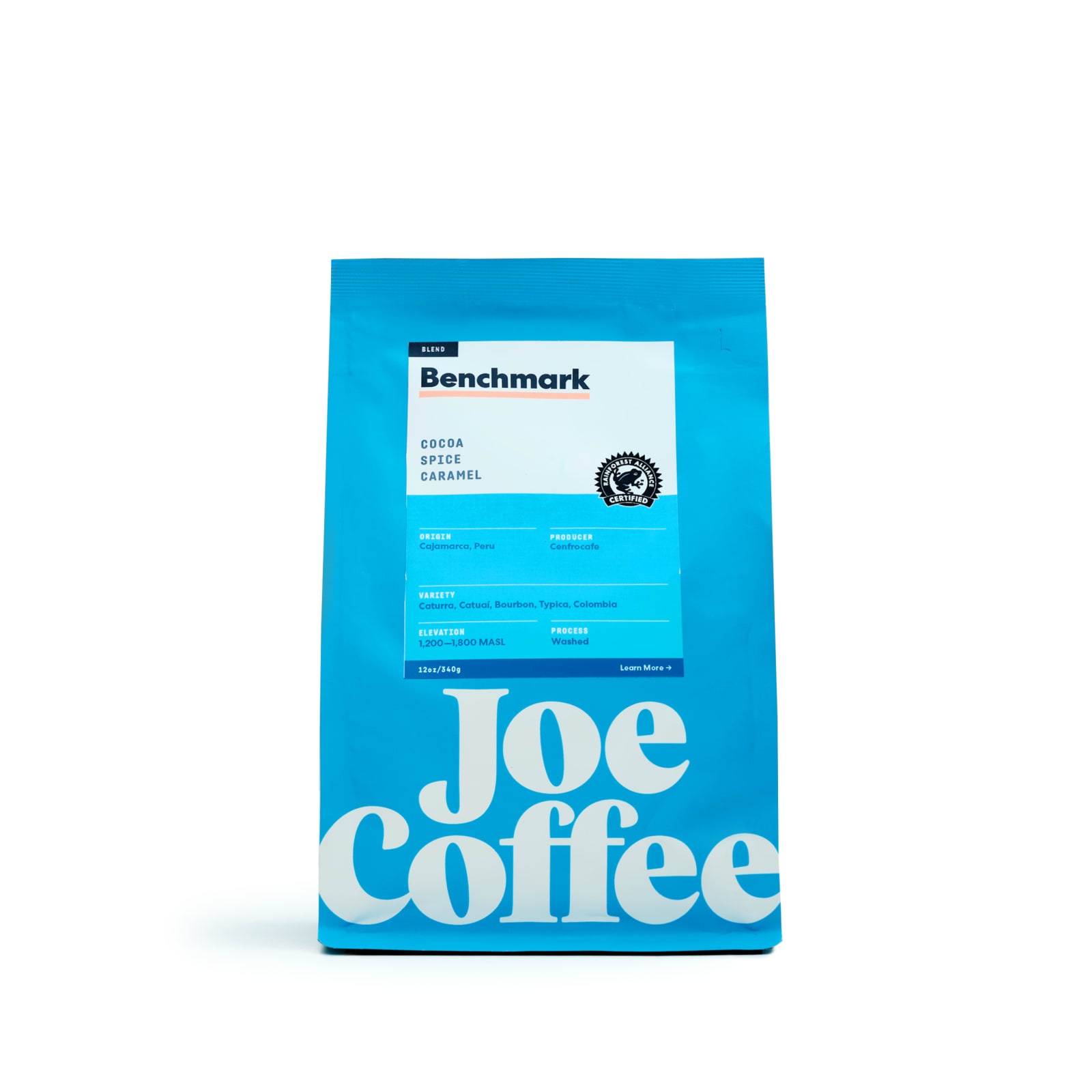
Joe Benchmark
Bird Friendly

Another conservation-focused certification, the Smithsonian's Bird Friendly® seal means your coffee came from a farm "using a combination of foliage cover, tree height, and biodiversity to provide quality habitat for birds and other wildlife." Bonus: Bird Friendly coffee is also organic.
While these certifications and relationships say a lot, just because a bag doesn’t have one doesn’t mean it didn't meet the same sustainability standards.
Certifications cost money. So, even a farm that doesn’t use synthetic fertilizer, won't always pay to get certified. Similarly, just because a coffee isn’t Fair Trade, doesn’t mean a buyer hasn’t paid a premium on it.
There is also sometimes a misconception that these labels mean better tasting coffee. In truth, there’s really not much of a connection between any of them and deliciousness. Still, as far as matching the coffee you’re drinking with your values, they’re a good place to start!
FAQS


