




Does Decaf Have Caffeine In It?
The answer has us buzzing.
Does Decaf Coffee Have Caffeine in It?
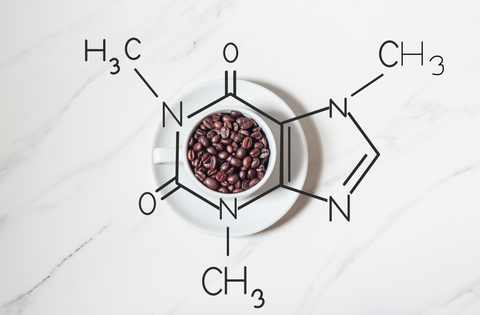
The old coffee joke about decaf coffee — “Why bother?” — doesn’t hold up these days, especially when decaffeinated coffee has improved leaps and bounds in quality. In fact, some decaf coffees taste so good you might wonder whether they really are caffeine-free.
In this blog, we’ll talk about all things decaf, including whether decaf coffee has caffeine, the benefits of trying decaf coffee, and the different types of decaffeination processes currently used.
The Health Benefits of Decaf
If you’re a coffee lover, but you’re tired of choosing between espresso and coffee, decaf may be a new avenue of brew for you to try. More and more people are discovering the benefits of switching to decaf coffee for some or all their coffee drinking — and with good reason, because there are plenty.
Studies show over and over that drinking coffee can be good for your health: It contains antioxidants that can neutralize free radicals, and aid in preventing diabetes, cancer, and heart disease. So far, no research has shown that it’s the caffeine intake in coffee that’s responsible for all these health-boosting bonuses, which means you can still get them from drinking decaffeinated coffee.
Research has also indicated that drinking decaf or regular coffee can reduce your chance of developing chronic liver disease.
Too much caffeine intake can affect the central nervous system in unpleasant ways, causing or exacerbating anxiety, racing heart, irritability, insomnia, and a feeling of restlessness. If you love the taste of coffee but want to avoid those potential side effects of caffeine, drinking decaf coffee is the perfect solution.
Because of its lack of caffeine content, decaf coffee won’t keep you up at night. Instead, it’s a great way to end a meal or social evening, and can take the place of alcohol for those who prefer to abstain.
How Is Decaf Coffee Made?
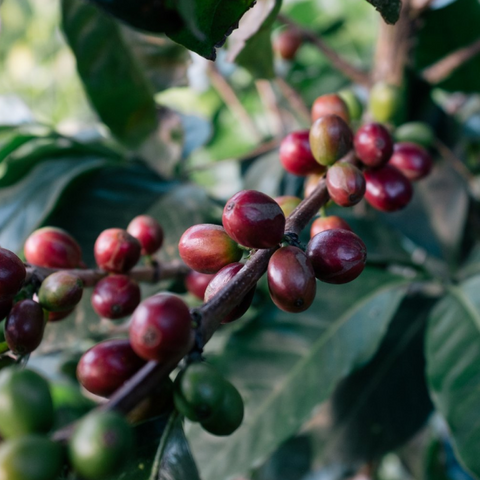
Decaf coffee doesn’t grow on trees — yet. While some lower-caffeine coffee plants are grown around the world, there is not currently a coffee tree that produces fully caffeine-free seeds, or beans. Instead, the caffeine content needs to be removed from the unroasted green coffee beans.
For most decaffeination processes, the green, unroasted coffee is exposed to steam to open its cellular structure, and then it is submerged in a solution. The solution might be a combination of water and green coffee extract, or it might instead consist of water mixed with a naturally occurring chemical like ethyl acetate (E.A.), or a synthetic chemical like methylene chloride. The solution is specially designed to bond with the caffeine molecules inside the regular coffee beans, which removes them from the beans’ cellular material without compromising their flavor and quality.
Once the caffeine molecules have been removed from the regular coffee beans, highly specialized filters are used to remove the caffeine molecules from the solution. The caffeine can then be used for other purposes, such as in the manufacturing of medications or energy drinks.
The beans are then dried and put into sacks, ready for roasters to work their magic on them. Learn more about different coffee processing methods.
How Much Caffeine Is in Decaf Coffee?
Some people do report feeling energized or even kept awake after drinking decaf coffee, and it is actually possible to have that experience: The thought of coffee as a stimulant is both pervasive and persuasive and may cause psychosomatic results. Similar to how a patient in a test study may feel better even if they received a placebo, some people might “feel” the effects of caffeine that isn’t present.
If you’re interested in decaf coffee, or other types of coffee blends, or want to branch out even further by trying Burundi coffee or coffee ice cream, consider signing up for a coffee subscription to try different varieties. At the end of the day, Trade is here for all your coffee-loving needs.
Sources
- https://www.healthline.com/nutrition/decaf-coffee-good-or-bad
- https://www.newscientist.com/article/2281765-drinking-coffee-or-decaf-may-help-avoid-chronic-liver-disease/#:~:text=The%20individuals%20who%20drank%20coffee,their%20non%2Dcoffee%20drinking%20counterparts.
- https://www.ncausa.org/Decaffeinated-Coffee#:~:text=How%20much%20caffeine%20is%20in,about%2095%20mg%20of%20caffeine.
- https://www.psychologytoday.com/us/blogs/minding-the-body/201112/how-cup-decaf-can-give-you-caffeine-buzz
FAQS


